
Perimenopause Therapy
What. Is. Happening. To. Me?
The insomnia.
The mood swings.
The brain fog.

A couple of years ago, I was giving it my all at work, taking care of my family, keeping the house clean-ish, exercising, and a million other things.
Where did that confident woman go?
Hello, perimenopause.
Perimenopause is more than hot flashes and irregular periods.
It can have a profound effect on your mental health. Fluctuating hormones can contribute to mood swings, anxiety, depression, stress sensitivity, and poor sleep.
You may wonder how you to keep up with everything - your career, your relationships, your sense of purpose - when you feel so unlike yourself.
Therapy can help you reconnect with the parts of you that are strong and resilient. And, by understanding the emotional and psychological effects of this transition, you can take steps to manage the symptoms and prioritize your well-being.
Imagine feeling like you can handle the day again.

Perimenopausal Anxiety
Your 40s started off smoothly. Then the heart palpitations began, or that heavy chest feeling. The occasional rush that felt like panic. Any tense situation, and you’re sweating. Why is driving suddenly nerve wracking? And the lack of sleep isn’t helping either.
Your doctor says you’re physically healthy. But something is off.
Why do I feel anxious all the time?
Therapy can help you rediscover calm and clarity, even during this transition.
Perimenopausal Depression
You’re exhausted - both your body and mind feel drained. You alternate between being irritated by everything and everybody, to feeling sad and empty. You look forward to the end of the day, so you can curl up and hide. If only your brain could let you sleep through the night. Somedays I even wonder why I’m here.
It is possible to find hope and feel connected to others again.

Perimenopausal Symptoms
Which will show up today - rage or tears?
How will I fake my way through my brain fog today at work?
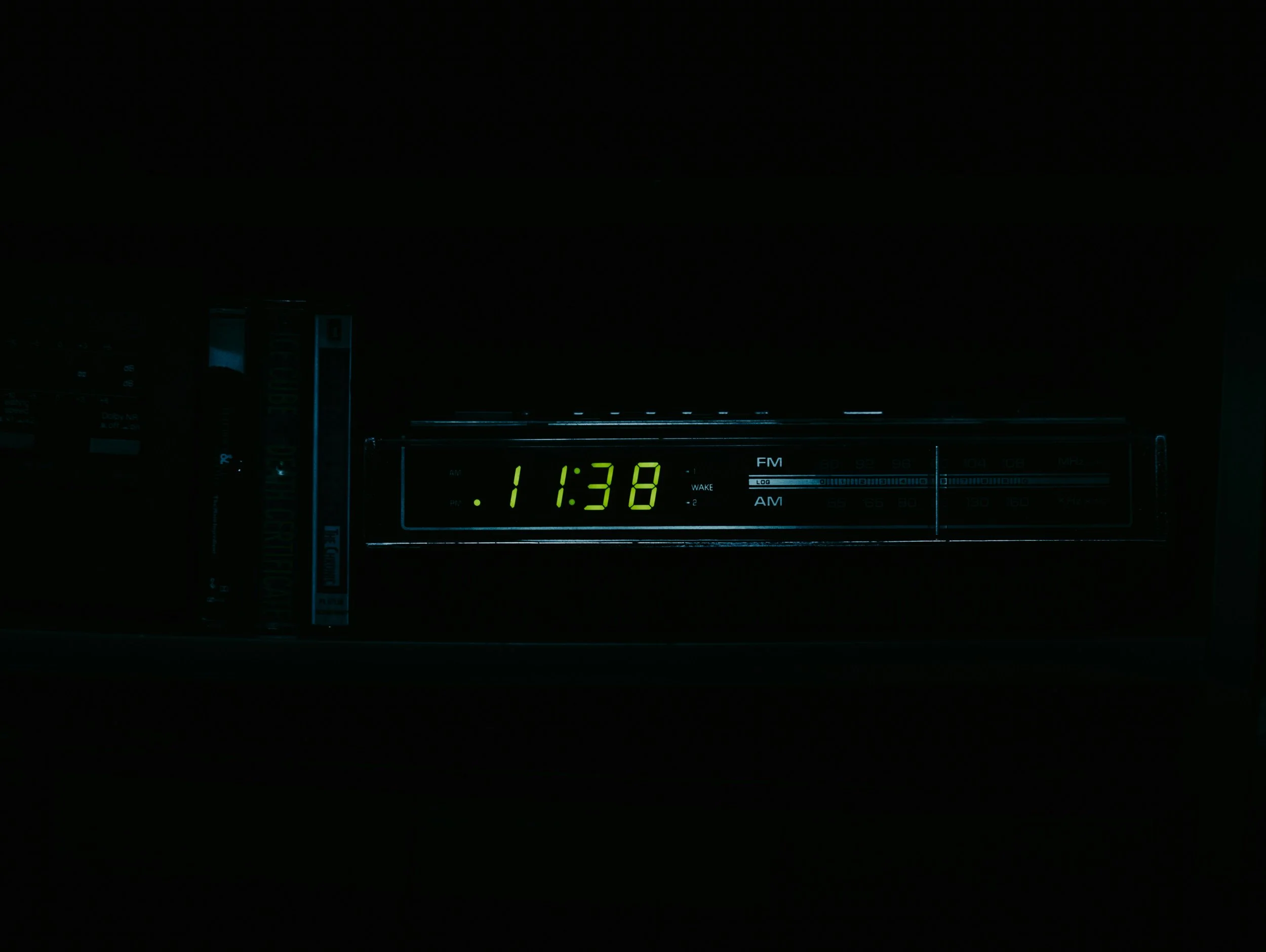
I seem to have forgotten how to sleep.
Where did my libido go?
Why am I suddenly feeling old?
I like my couch now more than my friends.
And yet, it doesn’t have to stay this way. Together, we can help you feel like yourself again.
How I help
In therapy, we will work together to:
Understand what is happening in your mind and body
Learn practical strategies to ease anxious & depressive symptoms and improve sleep
Process the BIG feelings - grief, anger, fear - that come with this transition.
Reconnect you with your strengths.
You deserve support that is warm & compassionate, and tailored to you.
Your Top Ten Questions, Answered
-
Perimenopause can intensify anxiety, low mood, panic, irritability, and overwhelm—often alongside sleep disruption, cycle changes, hot flashes, and brain fog. But similar symptoms can also come from burnout, grief, trauma activation, medical issues, medication changes, or life stress. In therapy, we look at timing, patterns, triggers, and functioning, and we collaborate with your medical provider when helpful. The goal isn’t to “prove” one cause—it’s to reduce suffering, build stability, and create a plan that fits your body, brain, and life.
-
For many women, it’s a both/and situation. Hormonal shifts can change stress tolerance, sleep, mood regulation, and emotional reactivity. Therapy can still be extremely effective because it helps with nervous system regulation, coping skills, thought spirals, relationship strain, identity shifts, and burnout—the stuff that often flares when your internal “bandwidth” shrinks. If HRT or medication is appropriate, therapy can make it easier to track symptoms, advocate for care, and respond to symptoms with less fear and self-blame.
-
The “best” approach depends on what’s driving your distress. Many clients benefit from a blend of evidence-based and trauma-informed work: CBT/ACT for anxiety loops and rumination, CBT-I for insomnia, emotion regulation skills for irritability/rage, and parts/inner-work for longstanding people-pleasing, shame, or attachment wounds that get louder in midlife. A good fit is a therapist who understands perimenopause realities (sleep, sensory overload, mood shifts) and won’t minimize symptoms. You should feel both validated and helped with practical, measurable change.
-
It can feel that way if CBT is used as “just think positive” (no thanks). Helpful CBT doesn’t deny what’s happening in your body—it targets the secondary suffering: catastrophizing (“I’m broken”), fear spirals, avoidance, and harsh self-talk that amplify distress. In perimenopause, the aim is often: less struggle, more steadiness. Good therapy respects biology and focuses on what you can influence: sleep routines, boundary setting, pacing, nervous-system tools, and how you respond to symptoms in real time. You deserve both compassion and practical strategies.
-
Perimenopause rage is real—and often comes from a mix of hormonal sensitivity, sleep deprivation, sensory overload, resentment, and being stretched too thin. Therapy helps you map your “rage pattern” (triggers, early warning signs, body cues), then build a plan: de-escalation tools, boundary scripts, values-based communication, and recovery rituals after conflict. We also explore what the anger might be protecting (exhaustion, grief, hurt, feeling unseen). The goal isn’t to erase anger—it’s to make it safer, clearer, and less costly to your relationships and self-respect.
-
Yes—especially with CBT-I (Cognitive Behavioural Therapy for Insomnia), which is a gold-standard treatment and works even when sleep problems are tangled up with anxiety or stress. Therapy can help you reduce sleep anxiety, stop the “clock-watching panic,” and create a structured plan that improves sleep efficiency. We also address the perimenopause-specific realities (night sweats, early waking, racing thoughts) and coordinate with medical care when needed. You don’t need perfect sleep to feel better—you need more predictable sleep and less fear around sleep. That’s a very treatable target.
-
Brain fog can show up in all of these—and perimenopause can make existing ADHD traits or burnout much more noticeable. In therapy, we track patterns (sleep, cycle timing, workload, stress, nutrition, meds) and look at what’s most impairing: focus, memory, overwhelm, decision fatigue, procrastination, or emotional reactivity. Then we build supports: externalizing memory, simplifying systems, reducing cognitive load, and challenging shame (“I’m failing”). If ADHD assessment or medical support is appropriate, therapy can help you gather clean data and advocate effectively—without minimizing how hard this feels.
-
Couples therapy can be a game changer when perimenopause shifts energy, libido, patience, and emotional bandwidth. Many relationships get stuck in a loop: one partner feels rejected or confused; the other feels pressured, touched-out, or flooded. Therapy helps you name what’s happening without blame, rebuild communication, and create realistic agreements about support, intimacy, chores, rest, and conflict repair. Sometimes it’s individual therapy first (to stabilize mood/sleep), sometimes it’s couples work, and often it’s both. The goal is teamwork: “This is hard—and we can learn how to handle it together.”
-
It’s common to feel unfamiliar in your own skin during midlife transitions—especially when symptoms change your mood, body, sleep, and confidence. Many women also face identity stress: caregiving overload, work pressure, aging parents, shifting relationships, or “What now?” questions. Therapy gives you space to grieve losses (energy, ease, old identity) while also building a new, more realistic self-concept. We work with self-compassion, values, boundaries, and meaning-making—so you’re not stuck in “I used to be…” but moving toward “Here’s who I am becoming.”
-
Yes—because libido and confidence are influenced by stress, sleep, mood, relationship dynamics, body changes, and self-criticism (and perimenopause tends to crank all of that up). Therapy can help you untangle desire from pressure, shame, or performance, and rebuild safety and connection—either individually or with a partner. We may work on body image, boundaries, communication, and the emotional “brakes” on desire (exhaustion, resentment, anxiety). If physical pain or hormonal shifts are part of it, we collaborate with medical care. You’re not “broken”—you’re adapting, and support helps.
Events
-
Menopause & Mental Health
03.31.26 10:30am
Kira will be a guest speaker at Ontario Shores Recovery College as part of their Menopause Series: The Menopause Transition: Insights & Empowerment.
Topic: Menopause & Mental Health - understanding mood, anxiety, and emotional changes through the transition. -
Unseen Shifts: Women, Mental Health & Work
11.25.25 9:00-10:00AM
Guest Speaker
Kira will explore mental health across the reproductive life span, with a focus on the often-overlooked impact of menopause on work performance. Participants will take part in six activities that simulate the key symptoms of perimenopause, followed by a discussion of how allyship in the workplace can help women navigate any reproductive life stage.
Hosted by Durham Regional Police Services - Women’s Internal Support Network
-
Perimenopause & Sleep
05.20.25 7:00-8:30PM
Free seminar, donation to Hearth Place in lieu of payment
Are you wondering why you suddenly are terrible at sleeping? Learn how perimenopause affects sleep and practical, evidence-based strategies to manage it.
Hosted by Soul-Led Wellness at:
Chubtown Country Retreat
3015 Ritson Rd. N, Oshawa
-
What is Perimenopause?
10.17.24 7:00-8:00PM
Free seminar.
Come and learn what is happening to you and why. Begin to form a personal plan on how to manage perimenopause.
173 Brock St. N., 2nd floor, Boardroom
-
Mental Health & Perimenopause
11.21.24 7:00-8:00PM
Free seminar.
Where is the line between regular perimenopause symptoms and depression? When does anxiety in perimenopause become too much? At what point do you need therapy? Find out the risk and resilience factors for positive mental health outcomes through perimenopause.
173 Brock St. N., 2nd floor, Boardroom
-
Perimenopause & Sleep
02.20.25 7:00-8:00PM
Free seminar
Are you wondering why you’re suddenly terrible at sleeping? Learn how perimenopause affects sleep and what to do about it.
173 Brock St. N., 2nd floor, Boardroom


Kira offers in-person sessions in Whitby, Ontario and virtual therapy across Ontario, including Pickering, Ajax, Oshawa and Brooklin.