Why Am I Having Panic Attacks in Perimenopause?
If you've never experienced anything like this before, the shock of a first panic attack in perimenopause can be profound. You might wonder whether this is your heart. Whether you're developing a serious anxiety disorder.
Sleep in Perimenopause: What's Really Happening
You used to be a good sleeper. Maybe not perfect, but reliably functional — you could fall asleep without effort, stay asleep, and wake feeling like yourself. Then perimenopause arrived, and sleep became something you no longer recognize.

Why Perimenopause Can Look Like ADHD (And Why It Matters)
Perimenopause and ADHD share striking symptom overlap — poor focus, forgetfulness, emotional dysregulation, and time blindness — because both disrupt the same dopamine-driven brain systems. Poor sleep and midlife burnout can amplify the picture further.

The Hidden Grief of Perimenopause: Why it Sometimes Hurts
Perimenopause is not only hormonal. It is developmental. And developmental transitions often involve grief — even when life is going well.

When Nothing Feels Good: Anhedonia in Perimenopause
Women might notice:
a reduced ability to feel pleasure or interest
muted emotional responses
difficulty feeling excited, moved, or engaged
motivation that feels mechanical rather than meaningful
a sense of “going through the motions”

Depression or Depletion? Understanding the Emotional Flatness of Perimenopause
“I’m functioning, but I feel emotionally flat.”
This emotional flatness can be confusing and even frightening. Some women worry they’re becoming depressed. Others wonder if they’re burned out, unmotivated, or emotionally checked out. Often, it’s hard to tell where one ends and the other begins.
Nighttime Anxiety in Perimenopause: Why You Wake Afraid
You fall asleep — sometimes without much trouble — and then wake in the early morning hours. Your heart is racing. Your body feels alert. Your mind is suddenly busy. Getting back to sleep feels impossible, even though you’re exhausted.

Menopause, Sleep, and Mood: How Exhaustion Changes Everything
Sleep disruption is one of the earliest and most underestimated features of menopause — and it profoundly affects emotional resilience, anxiety, and mood.

Anxiety, Depression, or Hormones? A Perimenopause Guide
Many women in perimenopause find themselves asking a question that feels surprisingly hard to answer:
Am I anxious?
Am I depressed?
Or is this “just hormones”?

How to Support Yourself in Perimenopause (Without Pushing Yourself Harder)
You’ve optimized routines. You’ve read the books. You’ve pushed through exhaustion. You’ve adapted, adjusted, and carried on — often quietly, competently, and without much support.
So when perimenopause arrives and things start to feel harder, the reflex is often the same…

How Perimenopause Affects Your Sense of Self
A sense of self isn’t just about identity or personality. It’s also about predictability — knowing, more or less, how you think, feel, and respond. In perimenopause, internally, something feels off — less steady, less familiar, harder to rely on.

Perimenopause Emotional Sensitivity: Why You Feel More Now
Many women in perimenopause describe the emotional sensitivity as feeling like they have “thinner skin.” Things that once rolled off, now register. Conversations replay in your mind. Disappointment feels sharper. Even affection can feel more intense.

Perimenopause Rage & Irritability: Why You’re So Angry
Many women experiencing perimenopausal rage have never identified as “angry people.” They may have been the calm one, the peacemaker, the responsible one, the one who held things together.
So when anger breaks through, it can feel frightening — even shameful.

Why Perimenopause Makes Everything Feel so Overwhelming
Perimenopause changes the internal environment of your nervous system in ways that make everyday stressors feel heavier, louder, and harder to manage. You’re not becoming less capable — your body is moving through a transition that affects how you experience pressure, emotion, and demand.
Perimenopausal Anxiety vs. General Anxiety: How to Tell the Difference
If you’ve found yourself more on edge, more reactive, or constantly bracing for something — even when nothing is wrong — you’re not imagining it. And you’re definitely not alone.
This post will help you understand why anxiety feels different in perimenopause, how to distinguish it from general anxiety, and what actually helps.
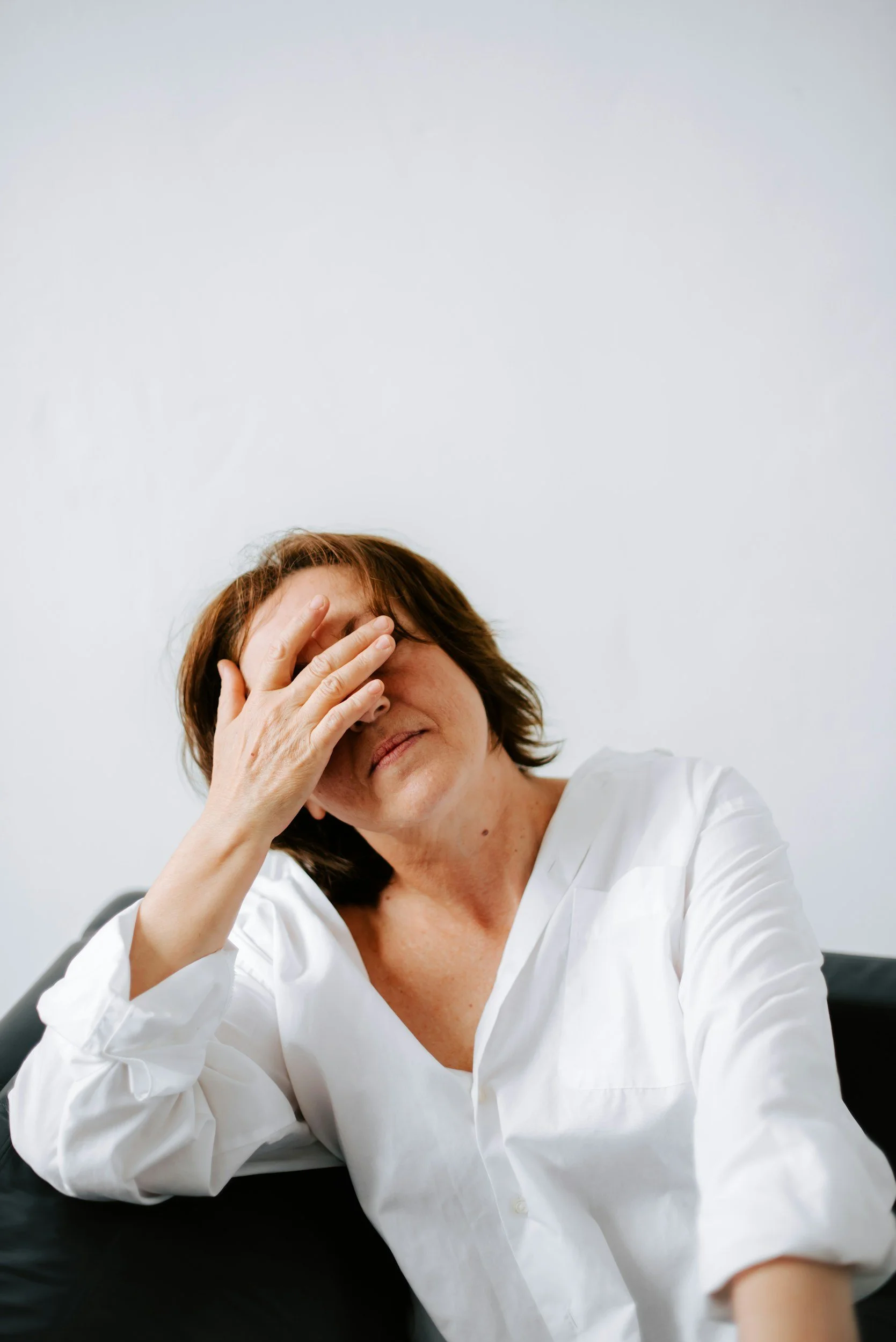
Why Perimenopause Makes You Feel Like You’re “Losing It” - And Why You’re Not
If you’ve hit your 40s or 50s and suddenly feel more emotional, more overwhelmed, more irritable, more forgetful, or more reactive than you’ve ever been, you are not alone — and you are not “losing it.”

How Perimenopause Changes Your Brain
If you’ve been forgetting words, losing your train of thought, or feeling mentally “foggy,” you’re not imagining it — and you’re certainly not alone. One of the most surprising symptoms of perimenopause isn’t just hot flashes or mood changes.

How to Value Your Self
If you had the opportunity to watch yourself as you moved through your day, would you see a person behaved as though they valued themselves?

Keep Trying 101
Clients come to therapy wanting to change something. Yet, change can be really difficult. You want to change – how do you make it easier to do?

How to Actually Change Anxious Patterns When You’re a Perfectionist
How to change when you’re an overthinker and perfectionist - common barriers and how to get around them.